When property styling is worth it, and when it isn’t
It is a fair question, and one we would rather answer honestly than sell around. Styling is not right for every home or every sale. Knowing the difference is worth more to you than any showreel.
Last month we wrote that a home feels finished when every element in it has earned its place. Preparing a home for sale is simply that same idea under time pressure. A buyer walking through gives a home only a few unguarded minutes to make its case, and styling is the most direct way to make sure those minutes work in the vendor’s favour. But the honest version of this conversation includes the times it is not worth doing, so let us start there.
If a home is already well furnished, in good repair, and its furniture suits the scale of its rooms, professional styling will add less than a vendor might expect. The same is true of a home in a supply-starved pocket where any reasonable listing will draw strong competition regardless of presentation. And styling cannot rescue a campaign with a deeper problem, a price expectation the market will not meet, or a building fault a buyer can plainly see. Styling sharpens a fair proposition. It does not disguise a flawed one, and any stylist who suggests otherwise is not worth listening to.
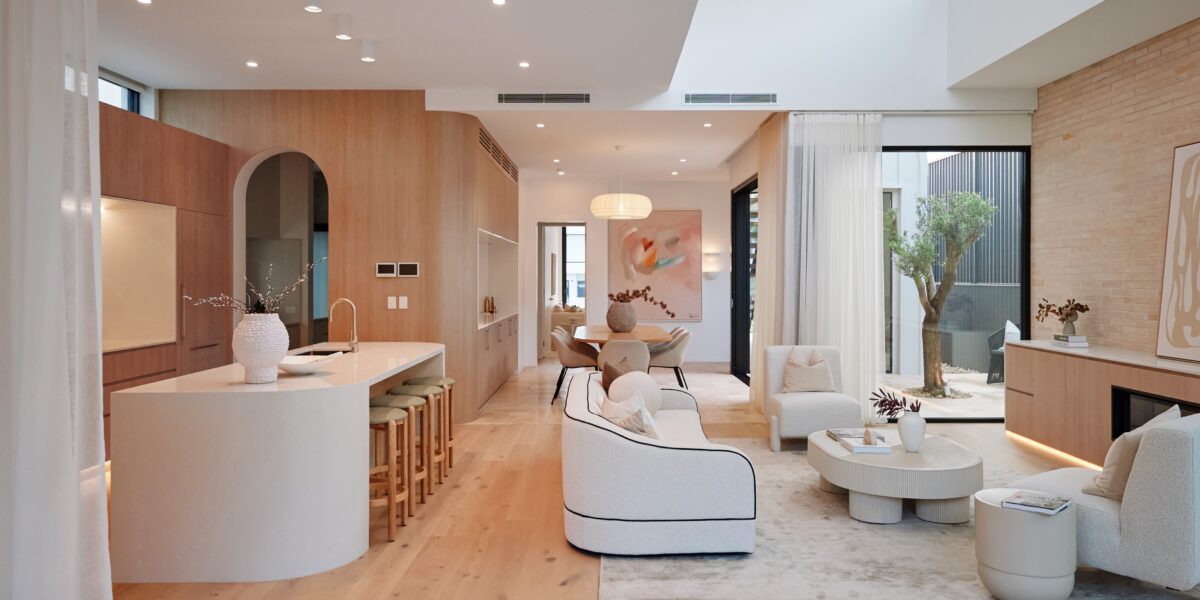
Where styling genuinely earns its cost is more common, and more specific. An empty home is the clearest case. A vacant room gives a buyer nothing to measure against, so they consistently read it as smaller than it is, and a photograph of it looks unfinished before anyone has booked an inspection. A home furnished for a different stage of life is another, where the current pieces quietly tell the wrong buyer that this is not their home. And a home whose proportions are working against it, rooms that feel awkward or hard to read, is where considered styling does its most measurable work, because it resolves something a buyer would otherwise feel as doubt.
The return is real, but it is worth being precise about why. Styling does not add a fixed sum to a sale price. What it does is reduce hesitation, and hesitation is what quietly costs vendors money. It costs them through longer days on market, through a buyer who cannot picture their life in the home and moves on, through an offer pitched cautiously because the home felt uncertain. The home that asks a buyer to imagine the least is the one that holds its price. That is the mechanism. It is not magic and it is not a multiplier. It is the removal of doubt at the exact moment a buyer is deciding what a home is worth to them.
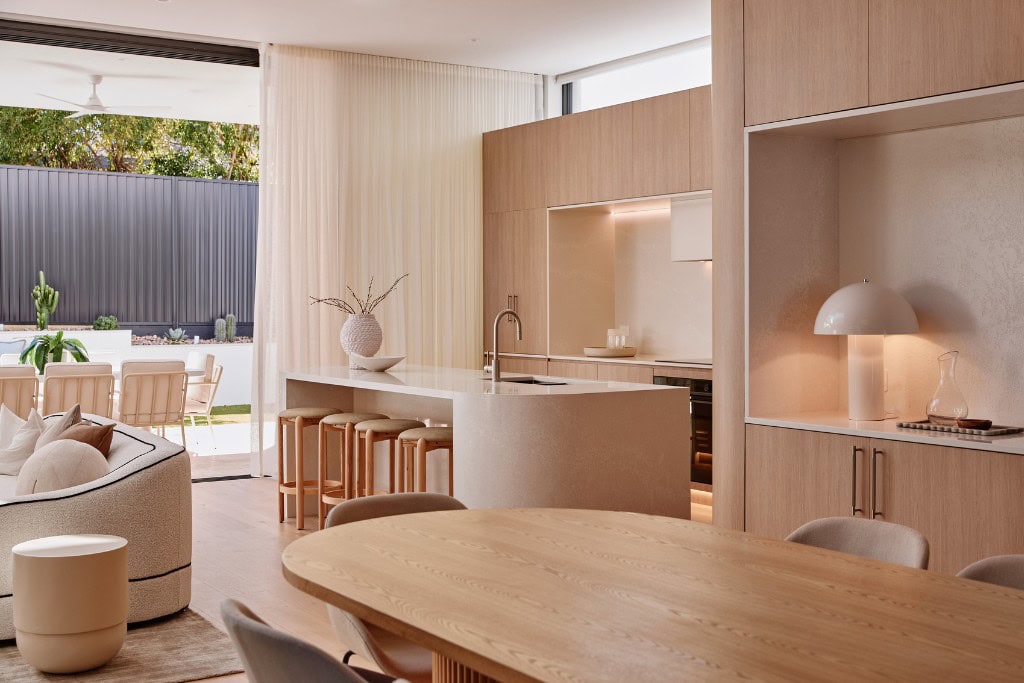
From Our Work · BIANCO, Caringbah South
A record result, and the thinking behind it
When Hammercorp brought BIANCO to market, the build itself was exceptional, exposed brick, timber floors, genuine craftsmanship throughout. Our task was not to decorate it but to let buyers feel that quality through atmosphere and scale. We kept sightlines open, chose furniture that revealed the true proportions of each room rather than filling them, and echoed the home’s own materials in quiet details. The result reflects the build first. What considered styling did was make sure no buyer had to work to see it.
The right question is never whether to style a home, but whether this home, in this market, will sell better for it. Often the answer is yes. Sometimes it is no, and we will tell a vendor so plainly.
We will be back later this month with another idea worth keeping.
– The BOWERBIRD Team