The Finishing Touches That Sell a Home
There’s a moment in every home inspection when a buyer stops thinking about square metres and starts imagining a life. They picture morning coffee at the kitchen bench, weekend lounging on the sofa, dinner parties around the table. That shift from assessing to imagining is where sales are made. And more often than not, it’s the details that get them there. This is one of the most important property styling tips to understand: it’s not the big things that sell a home, it’s the small ones.
At BOWERBIRD, we know that furniture sets the scene, but it’s the accessories that bring it to life. The carefully placed cushions, the warmth of a rug underfoot, the greenery on a shelf. These home styling details are what transform a house into something a buyer can emotionally connect with.
Why the Small Things Matter
When it comes to property styling tips, accessories are often underestimated. But they carry more weight than people realise. A room without them can feel cold, unfinished, even forgettable. A room with the right finishing touches feels considered, inviting, and ready to be lived in.
Staging accessories for sale aren’t about filling space. They’re about creating feeling. A vase of fresh stems on a dining table brings life to a room. A textured throw draped over an armchair suggests comfort. A piece of artwork draws the eye and anchors the space. These elements don’t just decorate. They communicate.
The key is restraint. Accessories should enhance, not overwhelm. When the balance is right, they fade into the experience of the home rather than competing for attention.
Creating Connection in Every Room
So how do you use accessories in property styling effectively? It starts with intention. Every piece should have a reason for being there, whether it’s to soften a hard surface, introduce warmth, or guide the eye toward a feature worth noticing.
In a minimalist space, a single statement piece can be enough. A sculptural vase, an oversized artwork, a beautifully bound book. In a coastal home, natural textures like linen, rattan, and raw timber create an easy, relaxed atmosphere. The goal is always harmony. Accessories should feel like they belong, not like they’ve been dropped in as an afterthought.
Colour matters too. Soft, tonal palettes tend to appeal to the widest range of buyers because they allow people to project their own style onto the space. Neutral doesn’t mean boring. It means breathing room.
What Details Matter When Staging a Home?
While every element plays a role, some consistently make the difference between a home that lingers in a buyer’s mind and one that doesn’t.
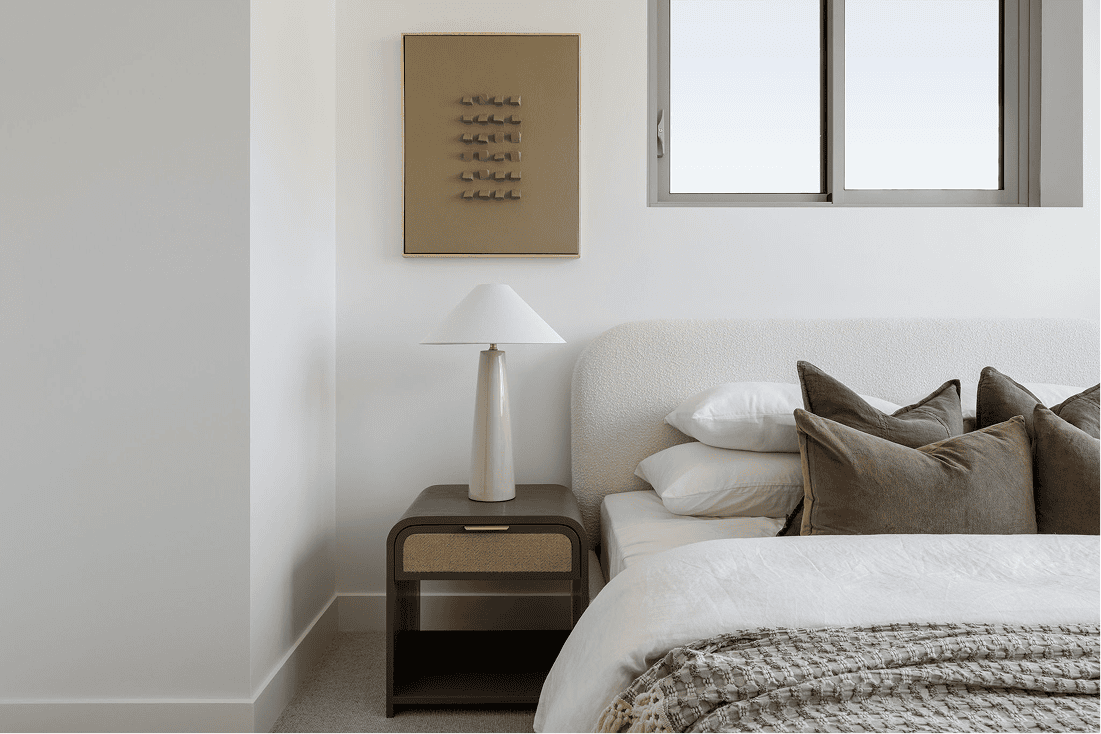
Lighting is one of the most powerful tools in staging. Natural light makes a space feel open and uplifting, while well-placed lamps add warmth and atmosphere in the evening. The right lighting can shift the entire mood of a room.
Textiles bring softness and texture. A quality rug grounds a living area, cushions add comfort and colour, and a throw suggests cosiness without clutter. These layers make a home feel finished.
Greenery, whether real or faux, introduces life. Plants bring colour, movement, and a sense of calm. Even a few small pots on a shelf or a statement fiddle leaf in a corner can change the energy of a room.
And then there’s editing. One of the most important small home styling tips that sell is knowing what to leave out. Clear surfaces, uncluttered shelves, and breathing room between furniture all help buyers focus on the home itself rather than being distracted by too much visual noise.
How to Stage a Living Room That Resonates
The living room is often where buyers make their emotional decision. It’s the space they imagine relaxing in, hosting in, returning to at the end of the day. Getting it right matters.
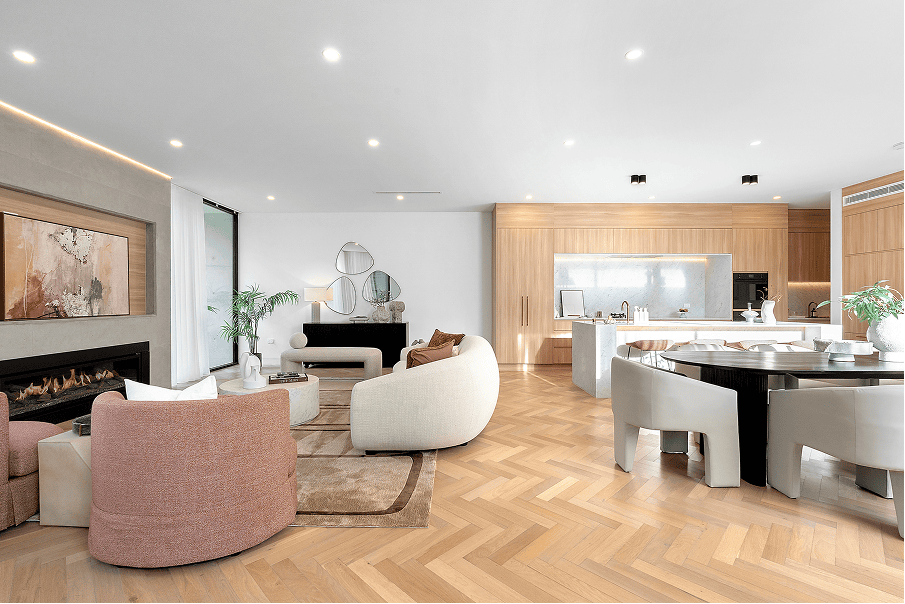
One of the most common mistakes is pushing all the furniture against the walls. While it might seem like this opens up the room, it often has the opposite effect, making the space feel disconnected and cold. Instead, arranging furniture around a focal point, like a coffee table or fireplace, creates intimacy and flow.
From there, accessories do the finishing work. A rug that anchors the seating area, cushions that invite you to sit down, a few curated objects on the coffee table. These touches make the room feel like somewhere you’d want to spend time.
Staging a living room isn’t about showing off. It’s about helping buyers feel something. And that feeling is what they remember.
The Finishing Touch
Buyers rarely recall the exact layout of a home. What stays with them is how it made them feel. Warm or cold. Memorable or forgettable. Like somewhere they could see themselves, or not.
Accessories are the quiet details that shape that response. When chosen with care and placed with intention, they turn a property into a possibility.
For more property styling tips, explore our latest interior trends or learn more about our home staging services.
FAQs
Do I need to stage every room in my house?
Not necessarily, but the key spaces matter most. Living rooms, kitchens, and master bedrooms tend to leave the strongest impression on buyers. These are the rooms where people imagine themselves spending the most time.
How important is lighting in home staging?
Lighting is one of the most influential elements in staging. It affects how spacious, warm, and inviting a room feels. Natural light is ideal, but well-placed lamps and pendants can transform a space when daylight is limited.
Should I remove personal items when staging my home?
Yes. Family photos, memorabilia, and personal collections can make it harder for buyers to picture themselves in the space. Neutral, curated styling allows them to imagine their own life unfolding there.
What’s the difference between styling and decorating?
Decorating reflects personal taste, while styling for sale is strategic. It’s about appealing to the broadest range of buyers, highlighting the home’s strengths, and creating an emotional connection that drives offers.
How do accessories influence a buyer’s perception?
Accessories add warmth, texture, and personality to a space. They help a home feel finished and liveable, which makes it easier for buyers to connect emotionally. The right details can be the difference between a house and a home.