The Quiet Strength of Neutrals
Neutrals are often misunderstood. Dismissed as safe, simple, or a starting point for something bolder. But in reality, a well-considered neutral palette is one of the most powerful tools in interior design. It’s not the absence of colour. It’s the presence of calm.
At BOWERBIRD, we return to neutrals again and again because they’re endlessly versatile. They create space for texture, light, and form to speak. They age beautifully. And when layered with intention, they make a home feel both grounded and elevated.
More Than a Backdrop
There’s a misconception that neutral interior design is about playing it safe. In truth, it takes more skill to design a compelling neutral space than a colourful one. Without bold hues to lean on, every other decision is amplified. The quality of materials, the interplay of textures, the way light moves through the room. It all becomes visible.
This is where neutrals reveal their quiet strength. A soft white wall isn’t just a backdrop. It’s a canvas that shifts with the light throughout the day. A warm cream sofa isn’t bland. It’s an invitation to layer with linen, wool, and timber. Neutral colour palette interiors succeed when every element is chosen with care, not just filled in.
The Warmth in White
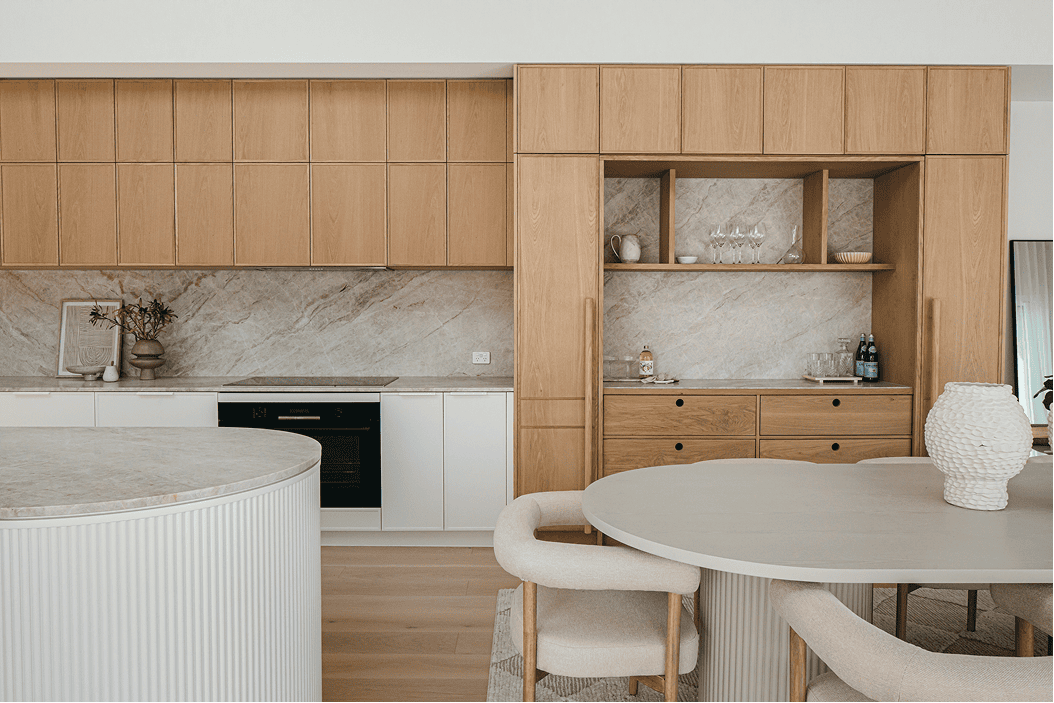
Not all neutrals are created equal. Whites, in particular, carry more complexity than they’re often given credit for. A cool white can feel stark and clinical. A warm white, on the other hand, wraps a room in softness.
This is why Pantone’s Colour of the Year 2026, Cloud Dancer, feels so relevant. It’s not a stark, sterile white. It’s a warm, nuanced tone with depth and subtlety. It speaks to a broader shift in interiors toward softness, warmth, and spaces that feel restorative rather than sharp.
Warm white interiors work particularly well in Australian homes, where natural light is abundant. The right white will glow in the afternoon sun, feel cosy in the evening, and provide a quiet foundation for the textures and materials around it.
How to Use Neutrals in Interior Design
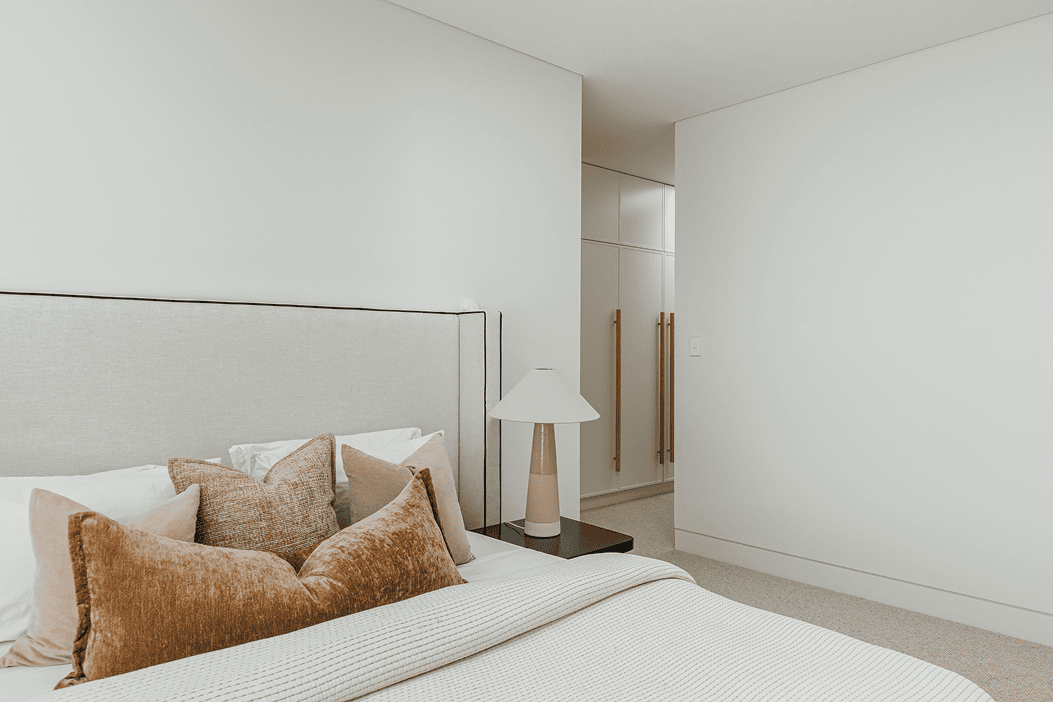
The key to working with neutrals is understanding that they’re not one thing. A successful soft neutral colour scheme relies on variation. Layering different tones, from crisp whites to warm creams to soft taupes, creates depth and prevents a space from feeling flat.
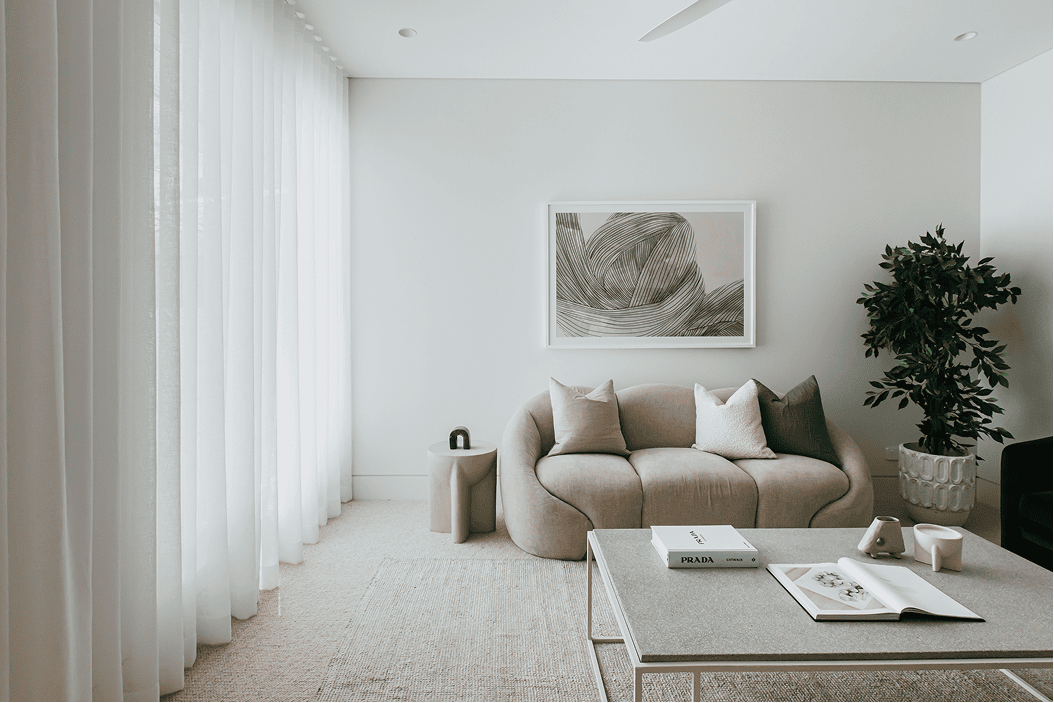
Texture becomes essential. When the palette is restrained, the eye seeks interest elsewhere. A bouclé armchair, a linen curtain, a ribbed ceramic vase, a timber coffee table with visible grain. These elements bring a neutral room to life without disrupting its calm.
Contrast matters too, but it doesn’t have to be dramatic. A charcoal cushion against a cream sofa. Matte black tapware in a white bathroom. These moments of gentle contrast give the eye somewhere to land and stop a space from feeling washed out.
And then there’s the consideration of undertones. How to make neutral interiors feel warm rather than cold often comes down to this. Choosing whites and creams with yellow or pink undertones will always feel softer than those that lean blue or grey. It’s a subtle distinction, but one that changes everything.
A Palette That Lasts
One of the greatest strengths of decorating with neutral colours is longevity. Trends come and go, but a thoughtfully designed neutral interior doesn’t date the way a bold colour scheme can. It provides a foundation that evolves with you, allowing furniture, artwork, and accessories to shift over time without the whole space feeling mismatched.
This is particularly valuable when designing for sale or for spaces that need to appeal broadly. Neutral palettes invite buyers to project their own lives onto a home. They suggest possibility without imposing a singular vision.
But neutrals aren’t just practical. They’re emotional. A calm, considered palette can make a home feel like a refuge. In a world that often feels loud and overstimulating, there’s real power in a space that offers stillness.
Quiet, Not Boring
The best neutral interiors are anything but safe. They’re confident. They trust in the beauty of restraint, in the elegance of simplicity, and in the idea that a home doesn’t need to shout to make an impression.
If you’re considering a neutral palette for your home, explore our interior design services or find inspiration in our latest interior trends.
FAQs
How do I stop a neutral interior from feeling flat?
Layering is key. Combine different tones within the neutral spectrum, from warm whites to soft taupes, and introduce a variety of textures through textiles, timber, and ceramics. This creates depth and visual interest without adding colour.
What’s the difference between warm and cool neutrals?
Warm neutrals have yellow, pink, or beige undertones and feel softer and more inviting. Cool neutrals lean towards grey or blue and can feel more contemporary but also more stark. The right choice depends on your lighting and the mood you want to create.
Do neutral interiors work in Australian homes?
Absolutely. Australia’s abundant natural light makes warm whites and soft creams glow beautifully. Neutrals also complement the natural materials, like timber and stone, that feature in many Australian homes.
Can I add colour to a neutral palette without disrupting it?
Yes. Soft, muted tones like sage, blush, or ochre can be introduced through accessories or artwork without overwhelming a neutral scheme. The key is restraint. A few considered moments of colour will feel intentional rather than jarring.
Why are neutrals so popular in property styling?
Neutral palettes appeal to a broad range of buyers because they’re versatile and calming. They allow potential buyers to imagine their own furniture and belongings in the space, which helps create an emotional connection.